eBay Buying Depop: What Resellers Should Know
By David Torsak
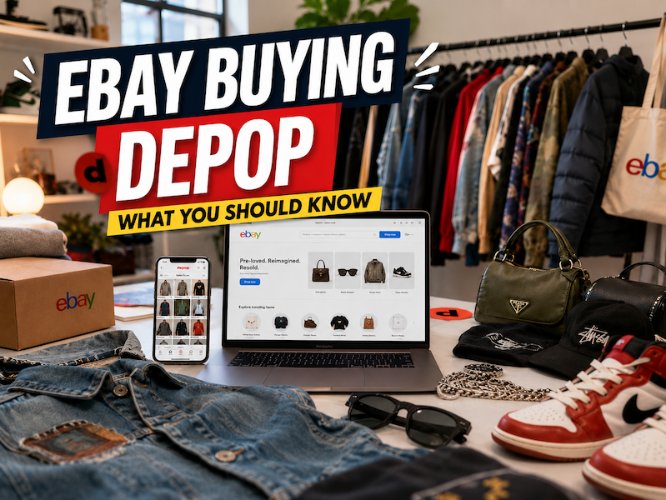
eBay is not just buying another marketplace. It is buying access to a different kind of resale culture. The official announcement described Depop as a platform with a deeply engaged Gen Z and Millennial customer base, which shows how important younger buyers have become to the future of secondhand commerce.
eBay Buying Depop: What Resellers Should Know
The resale industry just sent sellers a very clear message: secondhand fashion is not slowing down. It is getting bigger, smarter, younger, and more competitive.
eBay announced in February 2026 that it plans to acquire Depop from Etsy in a deal valued at about $1.2 billion. The move is designed to strengthen eBay’s position in consumer-to-consumer resale, especially with younger shoppers who already treat secondhand fashion as a normal part of how they shop, style, and express themselves. eBay said Depop is expected to keep its name, brand, platform, and culture after the transaction closes.
For resellers, this is more than just another corporate acquisition. It is a signal about where resale is heading next.
Why This Deal Matters for Resellers
At first glance, eBay and Depop may look like very different marketplaces.
eBay is massive, broad, search-driven, and built around everything from collectibles and auto parts to clothing, electronics, shoes, trading cards, and vintage goods. Depop, on the other hand, is more visual, trend-driven, social, and heavily associated with fashion, streetwear, vintage style, Gen Z shoppers, and personal closet-style selling.
That difference is exactly why this move matters.
eBay is not just buying another marketplace. It is buying access to a different kind of resale culture. The official announcement described Depop as a platform with a deeply engaged Gen Z and Millennial customer base, which shows how important younger buyers have become to the future of secondhand commerce.
For everyday resellers, the takeaway is simple: marketplaces are chasing younger, style-focused, resale-native shoppers. Sellers who understand that shift can position their inventory better.
Resale Is Becoming More Visual
Depop’s strength has always been its visual feel. It is not just about listing an item. It is about presenting a look, a vibe, a trend, or a personal style.
That matters because buyers are not only searching for “black jacket size medium.” They are searching for identity-based and aesthetic-driven items like vintage streetwear, Y2K fashion, coastal style, festival outfits, workwear, western pieces, cottagecore, designer-inspired looks, and unique one-of-one finds.
Fast Company described Depop as having one of the strongest-looking resale interfaces, which helps explain why eBay may want that type of platform energy as it tries to connect with younger shoppers.
For sellers, this means photos, styling, titles, and presentation matter more than ever. A plain listing may still sell, but a well-presented listing can stand out faster.
Younger Buyers Are Changing the Rules
Younger shoppers often approach resale differently than older buyers.
They are not always looking only for the cheapest option. Many are looking for originality, sustainability, personal style, and items that feel different from what everyone else is buying at the mall. That is one reason fashion resale has become such a powerful category.
Reuters reported that eBay’s Depop acquisition is intended to boost eBay’s presence in circular fashion and appeal to younger consumers interested in sustainable and pre-loved apparel. The deal is also expected to help eBay’s gross merchandise volume growth in 2026.
That is a big clue for resellers. If younger buyers are driving resale growth, sellers need to think beyond basic product descriptions. They need to understand trends, aesthetics, social proof, and how different platforms attract different types of buyers.
What This Says About Crosslisting
This deal also reinforces why crosslisting is becoming so important.
A pair of vintage jeans might perform differently on eBay than it does on Depop. A streetwear hoodie might get more attention from a younger audience on a style-driven platform. A collectible might sell faster on eBay because buyers are actively searching for that exact item. A bundle might perform better on Mercari. A local oversized item might make more sense on Facebook Marketplace.
The point is not that one platform is always better. The point is that each platform has its own buyer behavior.
Crosslisting allows sellers to test demand instead of guessing. It helps you get more visibility, reduce dependency on one marketplace, and give each item more chances to find the right buyer.
The eBay and Depop deal shows that even major platforms understand this truth: resale buyers are scattered across different shopping experiences. Sellers should not ignore that.
Fashion Resale Is Becoming a Bigger Battlefield
Fashion has always been a major part of resale, but this acquisition shows that platforms are still fighting for dominance in secondhand clothing and style-driven commerce.
Etsy originally acquired Depop in 2021 for about $1.63 billion, and Reuters reported that Etsy’s planned sale of Depop to eBay is part of Etsy’s effort to refocus on its core marketplace.
That is interesting because it shows how valuable but complex fashion resale can be. Depop has a strong audience and cultural relevance, but platforms still have to figure out how to scale, monetize, and operate resale communities effectively.
For resellers, the lesson is this: fashion is full of opportunity, but it is not automatic money. Sellers need to know brands, condition, measurements, trends, keywords, photos, and platform fit.
What Sellers Should Pay Attention to Now
Resellers should watch what happens after the deal closes. eBay said Depop is expected to retain its own brand and platform, which suggests it may not simply be folded into eBay immediately.
That means sellers should pay attention to possible future changes around account tools, buyer traffic, search visibility, shipping options, listing behavior, promoted listings, and whether any new seller integrations eventually appear between the two ecosystems.
There is no need to panic or make dramatic changes overnight. But there is a strong reason to stay alert.
When a major marketplace buys a platform like Depop, it usually means the category is worth watching closely.
How Resellers Can Use This News Strategically
The smartest response is not to chase every trend blindly. The smartest response is to sharpen your system.
If you sell clothing, start thinking more carefully about style keywords. Instead of only saying “women’s floral dress,” consider whether the item fits a trend, season, occasion, or aesthetic. Buyers may search for vacation dress, cottagecore dress, summer wedding guest dress, Y2K floral dress, coastal style dress, or vintage-inspired dress.
If you sell accessories, think about how they complete a look. Sunglasses, belts, hats, jewelry, bags, scarves, and shoes can perform well when they are presented as part of a style story.
If you sell vintage, lean into uniqueness. Younger buyers often love items that feel rare, expressive, nostalgic, or different from mass-market fashion.
If you crosslist, track which platforms perform best for different categories. Do not just list everywhere and hope. Pay attention to where your items actually get views, likes, offers, and sales.
Presentation Is Becoming Part of the Product
One of the biggest lessons from Depop’s popularity is that presentation sells.
A good item with bad photos can look forgettable. A good item with strong lighting, clean backgrounds, styled photos, and clear details can feel more valuable.
This does not mean every reseller needs a professional studio. It means sellers should treat photos as part of the sales strategy.
Natural light, clean backgrounds, accurate colors, close-up details, measurements, and searchable titles can make a major difference. In a more visual resale world, the listing is not just information. It is the first impression.
The Future of Resale Is More Specialized
This acquisition also points toward a bigger shift: resale is becoming more specialized.
There will still be room for general sellers, but buyers are increasingly drawn to sellers who understand specific categories. That could be vintage denim, sneakers, trading cards, western wear, luxury accessories, workwear, kids’ clothing, collectibles, home decor, or niche fashion aesthetics.
Specialization helps sellers source better, price smarter, write stronger titles, and build trust with repeat buyers.
The resellers who win in the next phase of the market will not just list random items. They will understand what they sell and who they are selling to.
Final Thoughts: This Is a Signal, Not Just a Sale
eBay’s planned acquisition of Depop is a major resale industry signal.
It shows that younger shoppers matter. Fashion resale matters. Visual shopping matters. Cross-platform selling matters. And the future of resale will likely reward sellers who are organized, adaptable, and willing to understand how buyers behave across different marketplaces.
For resellers, the opportunity is exciting.
This is not just about eBay buying Depop. It is about the resale industry growing up, getting more competitive, and moving deeper into mainstream retail.
The sellers who pay attention now will be better prepared for what comes next.