Micro-Brands, Mega Profits: Niche Is Winning in 2026 Retail
By David Torsak
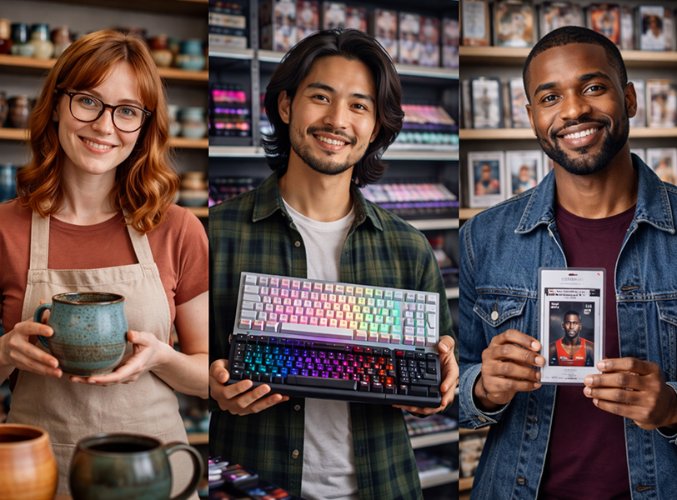
The retail landscape is transforming faster than ever — and one of the biggest shifts isn’t just about more sales, it’s about specific sales. Welcome to the era where micro-brands dominate, where hyper-focused sellers are outperforming generalists, and niche specialization isn’t just profitable — it’s strategic.
Micro-Brands, Mega Profits: Niche Is Winning in 2026 Retail
The retail landscape is transforming faster than ever — and one of the biggest shifts isn’t just about more sales, it’s about specific sales.
Welcome to the era where micro-brands dominate, where hyper-focused sellers are outperforming generalists, and niche specialization
isn’t just profitable — it’s strategic.
For resellers ready to level up, understanding this trend isn’t optional. It’s essential.
What Is a Micro-Brand, Really?
A micro-brand is a business that targets a very specific audience or category — not everyone, but the right ones.
Instead of selling “shoes,” a micro-brand sells:
- Vintage performance sneakers from the 90s
- Japanese denim selvedge
- Rare Pokémon holo cards
- Limited-edition designer handbags
By owning one tiny corner of a market, micro-brands build authority, trust, and pricing power.
According to Business Insider, niche products on resale platforms have seen outsized growth because buyers are willing to pay a premium for authenticity and scarcity.
Why Niche Sells Better — And Faster
Higher Perceived Value
When you specialize, people assume expertise.
A buyer trusts a seller who only sells urban streetwear way more than someone selling “everything.”
Perceived expert status increases buyer confidence and boosts willingness to pay.
Lower Competition
Generalists fight for eyeballs. Niche sellers don’t.
When fewer sellers dominate a category, your visibility goes up and bidding wars go down. In fact, niche marketplaces often show significantly higher sell-through rates because the audience is already tuned in.
Community = Lifelong Customers
Micro-brands don’t sell products, they sell identity.
Communities form around micro-niches — sneaker culture, vintage tech, mid-century furniture, anime collectibles — and those communities are loyal.
Customers don’t just buy once. They return, they join live sales, they follow social channels, they recommend others.
In fact, almost 70% of resale buyers say they buy more often from sellers they recognize as specialists.
Scarcity and Storytelling Power
Micro-brand sellers have an edge most generalists lack:
Every item has a backstory.
A rare 1998 denim jacket isn’t just clothing. It’s history. It’s memory. It’s identity.
Buyers paying premium prices feel connected — not just purchased.
That emotional engagement drives loyalty and repeat business.
Price Power Comes With Expertise
General resale often devolves into race-to-the-bottom pricing.
Niche sellers avoid that by pricing for value — not just competition.
When you understand your niche deeply…
- you price with confidence
- you educate your buyers
- you justify premium pricing
- you gain margin AND momentum
That’s how $500 months turn into $5,000+ months.
Digital Presence Builds Micro-Brand Authority
Micro-brands thrive in environments where digital credibility matters.
Active social media, engaged live viewers (like on Whatnot), targeted SEO, and strong product taxonomy on marketplaces all boost visibility.
Platform algorithms reward:
- Engagement
- Expertise signals
- Repeat buyers
- Fast sell-through
Those are exactly the things micro-brands do well.
Platforms like Shopify and TikTok Shop are leaning into this trend by highlighting niche sellers who build community around their products.
How to Build a Micro-Brand as a Reseller
You don’t need millions of SKUs. You need focus.
Step 1: Define Your Niche
Pick one category you love and understand.
Step 2: Know the Buyer
Who are they? What do they want? What motivates them to buy?
Step 3: Curate Strategically
Only source items that fit your niche profile and pricing structure.
Step 4: Build Community
Use social, live selling, newsletters, or niche forums to connect.
Step 5: Tell Stories
Every listing should feel intentional, not generic.
The 2026 Reality: Niche Is Not a Gimmick — It’s Strategy
The rise of micro-brands represents something bigger than trendy products.
It’s about purposeful selling in a market overloaded with noise.
In a world where buyers can purchase anything from anywhere, the best resellers stand out by selling what specific people want — and selling it better than anyone else.
If you want real scaling…
If you want high-value buyers…
If you want consistent demand…
Focus beats broad.
Quality beats quantity.
Specialization beats generalization.
And micro-brands?
They win.
Final Thought: Your Niche Is Your Superpower
When you build around depth instead of breadth, reselling transforms from a side gig into an authority position.
You don’t chase buyers.
They come to you.
Micro-brands don’t just sell more.
They sell smarter.
And in 2026, smarter always wins.