Prime Day Is Coming: What Resellers Should Do Now
By David Torsak
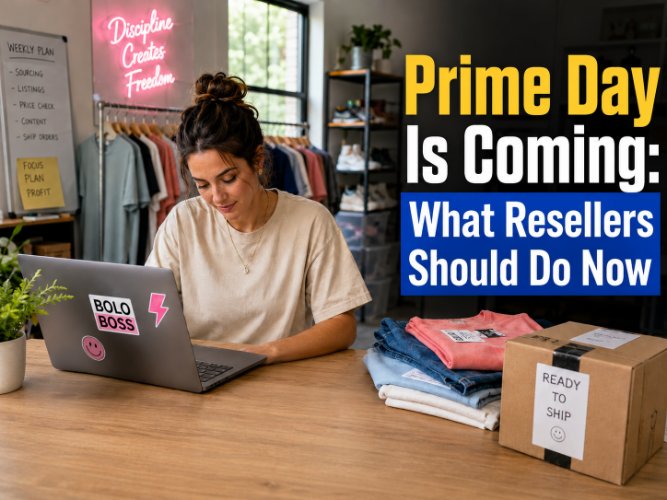
Instead, resellers should use the increased shopping activity to highlight what makes resale different: unique inventory, discontinued styles, sold-out products, vintage pieces, affordable bundles, immediate availability, and items buyers may not find at a major retailer.
Prime Day Is Coming: What Resellers Should Do Now
Prime Day is almost here, and online shoppers are already preparing to spend.
For resellers, that creates both competition and opportunity.
Major retailers will be promoting deep discounts, fast shipping, and limited-time offers. Buyers will be comparing prices more carefully and spending more time online looking for deals. That does not mean secondhand sellers should try to beat Amazon at its own game.
Instead, resellers should use the increased shopping activity to highlight what makes resale different: unique inventory, discontinued styles, sold-out products, vintage pieces, affordable bundles, immediate availability, and items buyers may not find at a major retailer.
Prime Day 2026 runs from June 23 through June 26, but early deals have already begun. That means the time to prepare your resale store is now.
Pull Out Your Most Competitive Inventory
Start by identifying the items in your inventory that can compete for attention during a major shopping event.
Focus on products buyers may already be searching for, including summer clothing, shoes, electronics, accessories, beauty tools, travel supplies, home goods, collectibles, and back-to-school items.
You do not need to list everything you own.
Choose the inventory with the strongest combination of demand, condition, pricing, and seasonal relevance. These items should move to the front of your listing schedule.
Your best inventory cannot benefit from increased buyer activity while it is still sitting in a storage bin.
List Summer and Travel Products First
Prime Day arrives during a busy summer shopping period.
Buyers may be preparing for vacations, outdoor events, family trips, concerts, weddings, and seasonal activities. This creates an opportunity for resellers with inventory that solves an immediate summer need.
Consider listing items such as:
Lightweight clothing.
Comfortable sneakers and sandals.
Swimwear and cover-ups.
Travel bags and organizers.
Sunglasses and hats.
Portable electronics.
Activewear.
Outdoor accessories.
Summer occasion clothing.
The closer an item is to something a buyer needs right now, the more important it is to get that item live quickly.
Refresh Listings That Already Have Interest
You may not need more inventory to benefit from the shopping activity.
Start with listings that already have views, likes, watchers, or previous offers. These products have shown signs of buyer interest but may need a small adjustment to convert.
Review the title, photos, price, description, measurements, and shipping details. Compare your price with current sold listings and competing products.
A listing may only need a stronger first photo, a clearer title, or a modest price adjustment.
Do not immediately slash every price.
Improve the listing first, then decide whether a discount is necessary.
Compete on Value, Not Just Price
Large retail events can make resellers feel pressured to lower their prices.
That can be a mistake.
You may not be able to compete with a retailer offering a heavily discounted mass-produced product, but you can compete through value.
Resale inventory may offer advantages that major retailers cannot easily match:
A discontinued color or model.
A vintage design.
A sold-out size.
A broken-in pair of premium jeans.
A complete collectible set.
A designer product at an accessible price.
A curated bundle.
Immediate availability of a hard-to-find item.
Your listing should make that value clear.
Tell buyers why your item is worth considering instead of simply reducing the price until your profit disappears.
Build Bundles That Feel Like Deals
Prime Day shoppers are looking for value, and bundles can help resellers create it.
Look for items that naturally belong together. You might combine similar sizes, related categories, matching accessories, children’s clothing, travel products, books, collectibles, or seasonal items.
A buyer may hesitate to pay shipping for one inexpensive item but see more value in a bundle.
Bundles can also help you move lower-value inventory without depending on extreme markdowns.
Keep the bundle focused and easy to understand. Five coordinated summer tops will usually be more appealing than a random box of unrelated clothing.
The buyer should immediately understand what they are getting and why the bundle is useful.
Crosslist Your Strongest Products
A major online shopping event increases traffic, but buyers will not all be shopping in the same place.
Some may start on Amazon and then compare prices on eBay. Others may browse Poshmark, Mercari, Depop, Facebook Marketplace, or specialty resale platforms.
That is why your strongest inventory should not be limited to one marketplace.
Choose your best five to ten listings and crosslist them to the platforms where they fit. A trending fashion item may perform well on Poshmark and Depop. A collectible or electronic product may be better suited for eBay and Mercari.
More visibility gives each item more opportunities to sell.
Just remember to remove an item from every other marketplace as soon as it sells.
Send Offers Before the Event Begins
Do not wait until Prime Day is almost over to contact interested buyers.
Review listings with likes and watchers and send reasonable offers before the event begins. Buyers may already be creating shopping lists and comparing options.
A timely offer can help your product stand out before the buyer commits their budget elsewhere.
Your discount does not need to be dramatic.
A modest offer combined with clear photos, accurate condition details, and competitive shipping may be enough to create a sale.
Set a minimum acceptable price before sending offers so you do not make emotional pricing decisions in the moment.
Prepare Your Shipping Station
More sales are only helpful when you are ready to fulfill them.
Before the shopping period begins, check your supply of boxes, mailers, tape, labels, tissue paper, and protective packaging. Make sure your printer is working and your inventory is easy to locate.
This is also a good time to verify the weight and dimensions of products that may require special packaging.
Fast handling can improve the buyer experience and help you avoid unnecessary stress.
You do not want to make a sale and then discover that you cannot find the item or do not have the right box.
Look for Sourcing Opportunities Carefully
Prime Day may also create sourcing opportunities.
Discounted products can sometimes be resold later, especially when they involve discontinued models, seasonal clearance, collectible editions, or products with steady demand.
But buying something simply because it is discounted does not make it a good resale purchase.
Before purchasing, check:
Current sold prices.
The number of active listings.
Estimated fees and shipping.
Whether the discount is widely available.
How quickly the product normally sells.
How much storage space it requires.
Whether demand is likely to continue after the event.
A low retail price can still become bad inventory.
Use sold data and realistic profit calculations instead of getting caught up in the excitement of the sale.
Use Prime Day to Study Buyer Behavior
Even when you are not purchasing anything, Prime Day can provide useful market research.
Pay attention to the products being promoted, the categories receiving attention, and the language retailers use to create urgency. Notice which colors, styles, features, and price points appear repeatedly.
You can use those observations to improve your own listings and sourcing strategy.
Do not copy retail promotions directly. Instead, look for signals about what shoppers currently care about.
The event may reveal growing interest in travel, summer fashion, home organization, electronics, outdoor activities, or early back-to-school shopping.
Those signals can help you decide what to list next.
Your Pre–Prime Day Reseller Checklist
Use the next few days to complete a focused store preparation session.
Pull five strong seasonal items.
Publish any valuable drafts.
Refresh five older listings.
Crosslist your best inventory.
Send offers to interested buyers.
Create one useful bundle.
Check your shipping supplies.
Review your inventory locations.
You do not need to overhaul your entire store.
A few focused improvements can position your best products in front of buyers while shopping activity is increasing.
Final Thoughts
Prime Day is not only relevant to large retailers.
It affects how shoppers search, compare prices, evaluate value, and decide where to spend their money. Resellers can benefit from that activity without trying to compete through massive discounts.
The opportunity is to be ready.
List your strongest inventory. Highlight what makes it different. Crosslist it to the right marketplaces. Send thoughtful offers. Prepare your shipping area and protect your profit.
Your inventory may offer exactly what a buyer cannot find in a major retail sale.
But buyers can only choose it once it is listed.