Reselling Made Easy: What to Sell First
By David Torsak
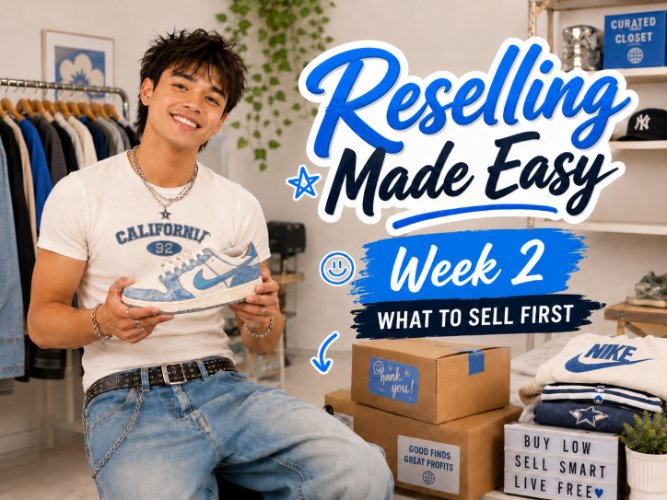
That question matters because your first few items can either build your confidence or make reselling feel harder than it needs to be. The good news is that you do not need to start with expensive inventory, rare collectibles, luxury brands, or complicated products. In fact, the smartest way to begin is usually the simplest way.
Reselling Made Easy: What to Sell First
Starting a reselling business is exciting, but it can also feel a little overwhelming at first.
Once you decide you want to start, the next big question usually shows up fast:
What should I actually sell?
That question matters because your first few items can either build your confidence or make reselling feel harder than it needs to be. The good news is that you do not need to start with expensive inventory, rare collectibles, luxury brands, or complicated products. In fact, the smartest way to begin is usually the simplest way.
For Week 2 of the Reselling Made Easy series, the goal is to help beginners choose simple, sellable inventory and avoid early mistakes. The series outline focuses this week on picking a starting category, understanding what makes an item beginner-friendly, finding easy things to resell first, avoiding bad buys, and starting small.
Why Your First Items Matter
Your first items are not just inventory. They are practice.
They help you learn how to take photos, write titles, price items, answer buyer questions, package orders, and ship with confidence. That is why your first items should be easy to understand and easy to manage.
A beginner does not need to start with the most profitable category in the world. A beginner needs to start with items that are simple enough to list, store, ship, and learn from.
The goal is momentum.
When you sell your first few items, reselling starts to feel real. You begin to understand the process. You stop guessing. You gain confidence. That confidence is what helps you keep going.
Start With What You Already Know
The best beginner category is usually something you already understand.
If you love sneakers, start by learning sneaker resale. If you know clothing brands, start with clothing. If you collect trading cards, start there. If you enjoy home decor, kitchen items, toys, books, or electronics, those can all become starting points.
You do not need to become an expert in every resale category. That is one of the biggest mistakes beginners make. They walk into a thrift store and try to evaluate everything at once.
Instead, pick one or two categories that already feel familiar.
When you start with what you know, you make better decisions faster. You can recognize quality, spot condition issues, understand buyer interest, and avoid buying random items just because they look “maybe valuable.”
What Makes an Item Good for Beginners?
A good beginner item should be easy to research, easy to photograph, easy to describe, easy to store, and easy to ship.
That means you want items with clear brand names, obvious condition, simple measurements, and strong buyer demand. You also want items that do not require complicated testing, authentication, repair, or fragile packaging.
For example, a clean pair of name-brand shoes may be easier for a beginner than a vintage stereo receiver that needs testing. A popular clothing brand in good condition may be easier than a delicate antique lamp. A small collectible with clear markings may be easier than a mystery item with no brand, no label, and no obvious buyer.
Beginner-friendly does not mean boring. It means manageable.
The easier the item is to understand, the faster you can learn the selling process.
Easy Things to Resell First
One of the best places to begin is your own home.
Look for items you no longer use that still have value. This could include clothing, shoes, bags, accessories, books, video games, small electronics, toys, sports gear, home decor, kitchen items, craft supplies, or collectibles.
Starting at home is powerful because your cost is already low. You are not risking much money, and you get to practice the full selling process before spending money on inventory.
Clothing is often a great beginner category because many people already have it, it is easy to photograph, and buyers are comfortable purchasing it online. Shoes can also be strong if they are clean, recognizable brands, and in good condition.
Accessories are another smart place to start. Belts, hats, wallets, sunglasses, scarves, jewelry, and bags are often easier to store and ship than bulky items.
Small household items can also work well. Mugs, picture frames, small decor, kitchen tools, craft supplies, and office items can be great practice, especially when they have a recognizable brand, theme, style, or niche audience.
The best first items are not always the most exciting. They are the ones that help you learn quickly.
Choose Items With Clear Demand
Before you list or source anything, ask one important question:
Are people already buying this?
A common beginner mistake is assuming that because something is nice, cute, old, or interesting, it must be valuable. But resale value comes from buyer demand, not just personal opinion.
That is why checking sold comps is so important.
Sold comps show what similar items have actually sold for. They help you understand whether buyers want the item, what price range is realistic, and whether it is worth your time.
If you are looking at a pair of shoes, search the brand, style, size, and condition. If you are looking at a jacket, search the brand, material, style, and size. If you are looking at a collectible, search the exact name, series, model, or markings.
Do not only look at active listings. Active listings show what sellers are asking. Sold listings show what buyers are paying.
That difference matters.
Avoid Complicated Items at the Beginning
Some items can be profitable but are not great for beginners.
Fragile items can be risky because they require careful packing and may break in transit. Large items can be difficult because shipping costs can surprise you. Electronics can be profitable, but they often require testing, parts, cords, serial numbers, and clear condition notes.
Luxury items can also be tricky because authentication matters. If you are new, avoid expensive designer bags, watches, jewelry, and high-risk branded goods until you understand how to verify authenticity and protect yourself.
This does not mean you can never sell those items. It just means they may not be the best place to start.
At the beginning, your goal is to build confidence, not create problems.
Watch Out for Bad Buys
A bad buy is not always an ugly item. Sometimes a bad buy is an item that looks good but does not make sense once you consider time, fees, shipping, condition, and demand.
For example, an item may sell for $20, but if it costs $8 to buy, $7 to ship, and marketplace fees take another cut, the profit may not be worth the effort.
A beginner should be careful with items that are heavily damaged, missing pieces, stained, cracked, personalized, outdated, oversized, or hard to identify.
You should also be cautious with items that have very low resale value. If something only sells for a few dollars, it may not be worth photographing, listing, storing, packaging, and shipping unless it is part of a bundle.
A good rule for beginners is this: if you cannot clearly explain why someone would buy it, do not buy it yet.
Start Small on Purpose
Starting small is not a weakness. It is a strategy.
You do not need 100 items to begin. You can start with five. You can start with ten. You can start with one closet cleanout and learn as you go.
Starting small helps you avoid overwhelm. It keeps your space organized. It limits your risk. It gives you room to make mistakes without wasting a lot of money.
A small start also helps you discover what you actually enjoy selling.
Maybe you think you want to sell clothing, but you realize you love accessories. Maybe you start with books and discover shoes are easier for you. Maybe you try home decor and find that you prefer small collectibles.
You do not need to know your perfect niche on day one. You just need to begin with simple items and pay attention to what works.
Think About Storage Before You Buy
One thing beginners often forget is storage.
Every item you buy has to live somewhere until it sells. If you buy too much too quickly, your reselling business can turn into a messy pile of stress.
Before you start sourcing, think about where your inventory will go. Can you use a shelf, a closet, a few bins, or a small storage area? Can you label items so you can find them after they sell? Can you keep listed items separate from unlisted items?
Simple organization from the beginning will save you so much frustration later.
You do not need a fancy system. You just need a system you will actually use.
Your Easy Win This Week
Your easy win this week is simple: choose 10 items from your own home that you no longer use but could still be valuable to someone else.
Do not overthink it. Look for clean, usable items in good condition. Choose things that are easy to photograph, easy to describe, and easy to ship.
Then pick your best three and research sold comps.
This one small action will teach you more than reading about reselling for hours. You will start seeing what has demand, what prices are realistic, and what kinds of items feel easiest for you to sell.
Final Thoughts: Simple Items Build Strong Sellers
The best first items are not always the flashiest items.
They are the items that help you learn the process, build confidence, and make your first sales without feeling overwhelmed.
Start with what you know. Choose items with clear demand. Avoid complicated products at the beginning. Keep your risk low. Stay organized. Learn from every listing.
Reselling gets easier when you stop trying to sell everything and start choosing simple, sellable items with purpose.
Your first few items do not need to be perfect.
They just need to get you started.
Coming Next Week
Next week in the Reselling Made Easy series, we will talk about how to source for profit. You will learn where to find inventory, how to check if something is worth buying, how to understand comps, and how to avoid overspending before you even make your first sale.