Small Items, Big Profits: Lightweight Wins for 2026
By David Torsak
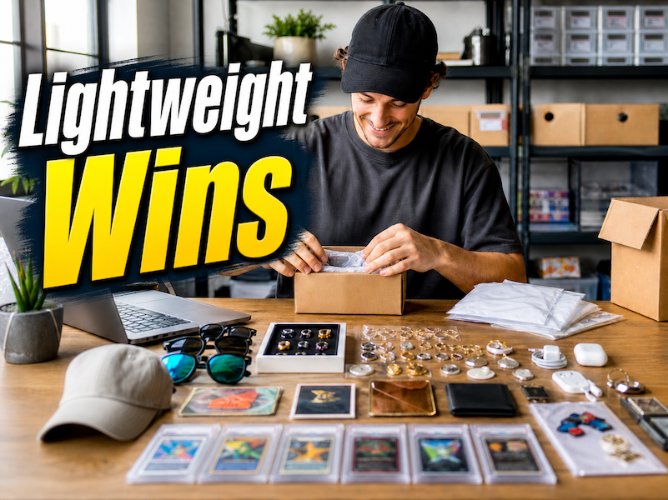
Every reseller eventually learns this lesson: profit is not always hiding in the biggest, flashiest, hardest-to-ship items. Sometimes the best money is sitting in a tiny box, a small drawer, a jewelry tray, a stack of cards, a basket of hats, or a shelf full of overlooked accessories.
Small Items, Big Profits: Lightweight Wins for 2026
Every reseller eventually learns this lesson: profit is not always hiding in the biggest, flashiest, hardest-to-ship items.
Sometimes the best money is sitting in a tiny box, a small drawer, a jewelry tray, a stack of cards, a basket of hats, or a shelf full of overlooked accessories.
In 2026, smart resellers are paying closer attention to small, lightweight inventory because it can be easier to store, cheaper to ship, faster to list, and more profitable than many bulky items. When shipping costs rise and buyers become more selective, the sellers who protect their margins are the ones who think strategically about what they source.
Small items may not always look exciting at first glance, but they can quietly become one of the strongest parts of your resale business.
Why Small Items Are a Big Opportunity
Small inventory gives resellers flexibility. You can store more of it, photograph it faster, list it more efficiently, and ship it with less stress.
Think about the difference between selling a large winter coat and selling a vintage belt buckle, a collectible patch, a small electronics accessory, or a pair of designer sunglasses. The coat takes up space, needs a larger package, may cost more to ship, and can be more expensive to return. The smaller item is easier to manage from start to finish.
That does not mean large items are bad. Some bulky products can bring excellent profit. But if your business is feeling crowded, slow, or expensive to run, adding more lightweight inventory can help you build a cleaner and more scalable system.
Shipping Costs Can Eat Profit Fast
Shipping is one of the biggest reasons small items matter right now.
A product may look profitable when you buy it, but once you add marketplace fees, shipping supplies, promoted listing costs, returns, and your time, the margin can shrink quickly. This is especially true with heavy, oversized, or awkwardly shaped items.
Small items give you more control. Many can ship in padded mailers, small boxes, rigid envelopes, or lightweight packaging. That makes it easier to estimate your true cost before you buy.
The goal is not just to sell more. The goal is to keep more of what you sell.
Lightweight Inventory Makes Storage Easier
Storage is one of the hidden problems in reselling.
A reseller can buy profitable items every week and still feel stuck because their home, garage, closet, basement, or storage unit becomes overloaded. When inventory takes over your space, your business starts to feel chaotic.
Small items help solve that problem. You can organize them in bins, drawers, label boxes, card cases, shelf containers, or inventory bags. They are easier to sort, easier to find, and easier to scale.
A hundred small items can fit in the same space as a few bulky ones. That means you can carry more active listings without feeling buried by your own inventory.
Small Items Are Often Faster to List
Listing speed matters more than most resellers realize.
If an item is complicated to measure, clean, test, photograph, and describe, it slows down your whole workflow. That delay can keep money sitting in a death pile instead of showing up in search results.
Many small items are simple to process. A hat, brooch, collectible card, phone case, belt, scarf, wallet, patch, toy figure, or pair of sunglasses can often be photographed and listed quickly once you have a system.
The faster you can move an item from sourced to listed, the faster it has a chance to sell.
Great Small Items to Watch For
There are many small categories worth learning, and the best ones depend on your knowledge, sourcing area, and target platforms.
Accessories can be a great place to start. Belts, hats, wallets, scarves, ties, sunglasses, jewelry, watches, and hair accessories can all be strong performers when you understand brands, styles, and condition.
Collectibles are another powerful category. Trading cards, small toys, pins, patches, keychains, coins, postcards, stickers, vintage paper goods, and gaming accessories can be easy to store and ship.
Small electronics and accessories can also do well. Think chargers, remotes, adapters, camera accessories, handheld devices, headphones, cases, and replacement parts. These items require more testing, but they can offer strong margins when sourced correctly.
Home and lifestyle items can also work beautifully. Small brass decor, mini frames, drawer pulls, vintage mugs, candle holders, ornaments, sewing notions, craft supplies, and kitchen gadgets are often overlooked by casual shoppers.
The magic is not just finding small items. The magic is finding small items with demand.
The Best Small Items Have Searchable Value
Not every small item is worth buying. A tiny item with no demand is still just clutter.
Before sourcing, ask yourself whether the item has searchable value. Does it have a recognizable brand? A collectible theme? A useful purpose? A strong style? A niche buyer? A replacement need? A fan base?
For example, a plain used keychain may not be exciting. But a vintage hotel keychain, a Disney keychain, a sports team keychain, or a rare promotional keychain may have a buyer searching for exactly that item.
The same principle applies to patches, mugs, cards, hats, jewelry, and small decor. Specificity sells. Generic items get ignored.
Small Items Are Perfect for Bundling
One of the best ways to increase profit on small inventory is bundling.
Instead of selling one tiny item at a low price, you can group related pieces together and create a stronger offer. A bundle of vintage patches, a lot of toy figures, a set of craft supplies, a group of trading cards, or a collection of themed accessories can feel more valuable to the buyer.
Bundling can also help you move slower items. If one item is not exciting on its own, it may become more attractive as part of a useful or themed lot.
This strategy works especially well when shipping costs make a single low-priced item less appealing. A buyer may hesitate to pay shipping on one small thing, but they may feel better about paying shipping on a bundle.
Small Inventory Makes Crosslisting Easier
Small items are a great match for crosslisting because they are usually easier to photograph, store, and manage across multiple platforms.
When your inventory is organized and easy to ship, you can confidently list it on eBay, Poshmark, Mercari, Depop, Facebook Marketplace, or other platforms without feeling overwhelmed.
This matters because buyers behave differently on different marketplaces. A collectible might move faster on eBay. A trendy accessory might get attention on Depop. A bundle may do well on Mercari. A local buyer might grab a small home item on Facebook Marketplace.
Crosslisting gives each item more chances to find the right buyer.
Do Not Ignore Condition and Details
Small does not mean simple. Buyers still care about condition, accuracy, and trust.
For accessories, check for scratches, missing pieces, loose stitching, tarnish, discoloration, broken clasps, and brand markings. For collectibles, look for dents, bends, stains, fading, or missing parts. For electronics, test everything you can and clearly explain what is included.
Small flaws can matter a lot, especially with collectibles and brand-name items.
The better your description, the fewer surprises your buyer has. Fewer surprises usually means fewer returns, better reviews, and a smoother selling experience.
Build a Small-Item Sourcing System
The easiest way to win with small items is to create a system.
Start by choosing a few categories you want to learn. Maybe you focus on hats, small electronics, trading cards, and vintage accessories. Then study sold comps, learn brands, understand condition issues, and build a sourcing checklist.
When you walk into a thrift store, flea market, yard sale, estate sale, or bins location, you will know exactly what sections to check. You will move faster because you are not randomly scanning everything.
That is when sourcing starts to feel less like guessing and more like skill.
Small Items Can Make Your Business Feel Lighter
There is something powerful about building a resale business that feels manageable.
When your inventory is easier to store, easier to list, easier to ship, and easier to organize, the whole business becomes more enjoyable. You are not constantly fighting piles of bulky inventory. You are not guessing at shipping costs. You are not avoiding your death pile because everything feels too complicated.
Small items can bring momentum back into your business.
They may not always be glamorous, but they can be consistent, profitable, and surprisingly fun to source.
Final Thoughts: Think Smaller to Grow Smarter
In 2026, resellers need to think beyond just finding “good stuff.” They need to think about margins, storage, speed, shipping, and scalability.
That is why small, lightweight inventory deserves your attention.
The right small items can help you protect profit, list faster, crosslist easier, and build a cleaner resale system. They can turn overlooked shelves, bins, drawers, and tables into real opportunities.
So the next time you are sourcing, do not only look for the big obvious wins. Slow down and check the small stuff.
Your next best profit flip might fit in the palm of your hand.