Starting a Pokémon Collection: 7 Things Beginners Miss
By David Torsak
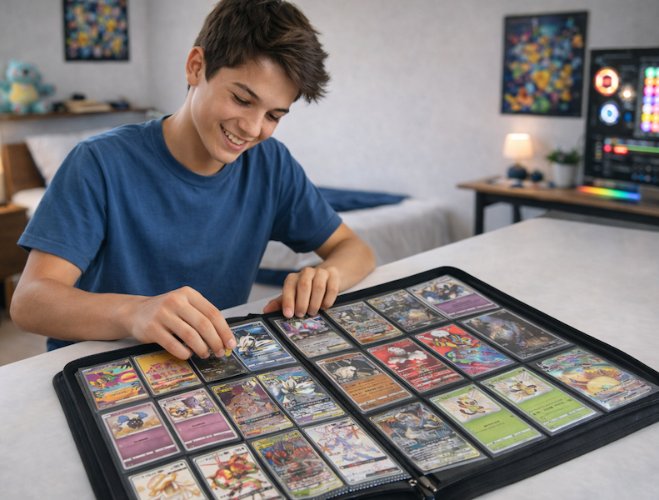
Getting into Pokémon collecting is exciting for a reason. There is nostalgia, artwork, strategy, rarity, and the thrill of finding cards that feel special the moment you see them. For many collectors, it starts with one pack, one favorite Pokémon, or one memory from childhood. Then before long, it turns into binders, top loaders, want lists, and a whole new hobby that is both fun and surprisingly deep.
Starting a Pokémon Collection: 7 Things Beginners Miss
Getting into Pokémon collecting is exciting for a reason. There is nostalgia, artwork, strategy, rarity, and the thrill of finding cards that feel special the moment you see them. For many collectors, it starts with one pack, one favorite Pokémon, or one memory from childhood. Then before long, it turns into binders, top loaders, want lists, and a whole new hobby that is both fun and surprisingly deep.
That is exactly why new collectors should slow down just enough to start smart. Pokémon collecting can be incredibly rewarding, but beginners often jump in without understanding a few important basics. That can lead to overspending, buying the wrong products, storing cards poorly, or chasing hype instead of building a collection they truly enjoy.
The good news is that you do not need to know everything on day one. You just need to understand a few key things that can help you collect with more confidence, avoid common mistakes, and actually enjoy the process more. If you are just getting started, here are seven things beginners often miss when starting a Pokémon collection.
Your collection should have a purpose before it has a budget.
One of the first mistakes beginners make is buying random cards and products without knowing what kind of collection they want to build. It is easy to get caught up in excitement and purchase whatever looks cool in the moment, but that usually leads to a scattered collection that does not feel very satisfying over time.
Before you spend much money, think about what actually interests you most. You might want to collect your favorite Pokémon, complete specific sets, chase rare modern cards, focus on vintage cards, collect sealed products, or look for cards with your favorite artwork styles. There is no single right way to collect, but it helps to choose a direction.
When your collection has a purpose, your decisions become easier. You waste less money, stay more focused, and build something that feels personal instead of random. A clear collecting goal is one of the smartest things a beginner can have.
Card condition matters more than many new collectors expect.
A card can look good at first glance and still have condition issues that affect its value and long-term appeal. Beginners often underestimate how much condition matters, especially when buying singles online, trading with others, or finding cards secondhand.
Small flaws such as whitening on the edges, surface scratches, print lines, bent corners, and centering issues can make a big difference. Even if you are collecting mostly for fun, understanding condition helps you make better buying decisions and avoid disappointment later.
It is a great habit to learn the difference between near mint, lightly played, moderately played, and heavily played card conditions early on.
When possible, zoom in on card photos, ask questions before buying, and avoid assuming that every card sold as “mint” is actually mint. The more you train your eye, the stronger your collection decisions will become.
Not every product is the best product for a beginner.
Pokémon offers a huge variety of products, and that can be confusing when you are just starting out. Booster packs, elite trainer boxes, collection boxes, tins, booster bundles, singles, graded cards, and sealed products all appeal to different types of collectors. Many beginners assume they should start by opening lots of packs, but that is not always the smartest or most affordable path.
Opening packs is fun, but it can also be one of the most expensive ways to chase specific cards. If you already know which cards or Pokémon you want, buying singles is often more efficient. If you love the surprise and the experience of opening sealed product, then packs and boxes may be part of the fun, but it still helps to understand the tradeoff.
A beginner does better when they know why they are buying something. Are you buying for entertainment, for a binder goal, for a sealed collection, or to hunt a specific chase card? Knowing that answer keeps you from buying blindly.
Hype can be expensive if you do not understand timing.
New collectors often get pulled toward whatever is getting the most attention online. A card starts trending, a set gets hot, influencers talk about it nonstop, and suddenly everyone wants the same items at the same time. That hype can make collecting feel urgent, but urgency often leads to bad buying decisions.
Some cards and products spike because of real demand, while others rise because of short-term excitement. Beginners who do not understand that difference can overpay, panic buy, or assume that every popular card will keep climbing in value. That is not always how the market works.
It is important to remember that not every purchase needs to happen immediately. Sometimes prices cool off. Sometimes reprints happen. Sometimes the card you felt pressured to buy becomes easier to get later. Smart collectors learn to separate excitement from strategy. That does not mean avoiding hype entirely. It means not letting hype control every decision.
Storage and protection should start on day one.
A lot of beginners focus on buying cards before they think about how to protect them. That is a mistake because damage can happen quickly if cards are left loose, stacked carelessly, or stored in the wrong environment. A great collection is not just about what you own. It is also about how well you preserve it.
At a minimum, valuable or favorite cards should be sleeved properly. Many collectors also use binders, top loaders, card storage boxes, and other protective supplies depending on the type of collection they are building. Clean, dry storage matters too. Cards should be kept away from moisture, direct sunlight, and situations where they can bend or rub against each other.
Good storage habits make your collection feel more serious and more enjoyable. They also protect your money. Even if you are starting small, treating your cards with care from the beginning is one of the smartest habits you can build.
Collecting for fun and collecting for value are not always the same.
This is one of the biggest mindset shifts a new collector can make. Some people collect because they love the art, the nostalgia, the characters, and the joy of the hobby. Other people care more about rarity, future value, grading potential, and long-term investment. Most collectors fall somewhere in between, but beginners often mix these goals without realizing it.
That can create frustration. You may buy a card you love, only to feel disappointed that it is not worth much. Or you may chase expensive cards because the market says they matter, even though they are not the cards you personally enjoy most. The result is a collection that feels less satisfying.
There is nothing wrong with caring about value, and there is nothing wrong with collecting purely for fun. The important thing is knowing which goal is driving each purchase. When you understand your own motivation, your collection starts to feel more intentional and more rewarding.
Scams, fake cards, and bad deals are easier to avoid when you slow down.
Pokémon collecting has a huge community, but like any popular hobby, it also attracts scams, misleading listings, counterfeit cards, and overpriced products. Beginners can be especially vulnerable because excitement sometimes overrides caution.
If a deal seems unusually cheap, there is usually a reason. If a listing has blurry photos, vague wording, or suspicious details, it is worth slowing down. If you are buying from a marketplace or individual seller, check reviews, compare prices, and learn the signs of fake cards and suspicious packaging.
The best defense is patience. You do not need to win every deal or buy every card immediately. A careful collector usually does better than a rushed one. Slowing down does not make you less passionate. It makes you more prepared.
The best collection is the one you enjoy building.
It is easy to feel pressure in the Pokémon hobby. Some collectors show massive binders, expensive graded cards, vintage grails, or walls of sealed product. While that content can be inspiring, it can also make beginners feel like they need to catch up fast. They do not.
The best collection is not always the biggest or the most expensive. It is the one that means something to you. Maybe that is a binder full of favorite Pokémon. Maybe it is one era you love. Maybe it is a slow and steady mix of singles, packs, and special pulls that each carry a memory.
When beginners remember that, the hobby becomes much more fun. You stop collecting to impress other people and start collecting in a way that actually feels exciting to you. That is where the hobby becomes personal, and that is what keeps it enjoyable for the long run.
A smart start makes Pokémon collecting more fun.
Starting a Pokémon collection should feel exciting, not stressful. The goal is not to know everything right away. The goal is to learn enough to make smarter decisions as you go. When you understand your collecting purpose, pay attention to condition, choose products carefully, avoid hype traps, protect your cards, and stay patient, you give yourself a much better start.
Beginners miss these details all the time, but once you know them, you can move through the hobby with more confidence. You can spend more intentionally, collect more meaningfully, and avoid a lot of the frustration that comes from rushing in blindly.
Pokémon collecting can be an amazing hobby from the very beginning. Start with what you love, learn as you go, and build a collection that feels exciting every time you open the binder.