The New Card Economy: How Live Selling Changed Everything
By David Torsak
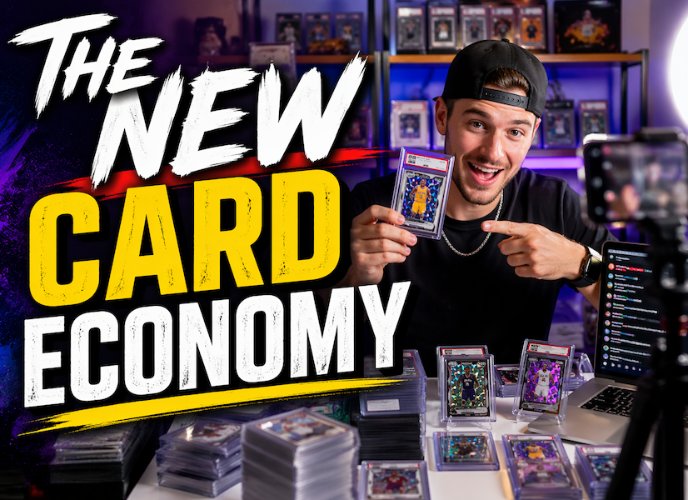
Not long ago, most buying and selling happened through traditional listings, hobby shops, card shows, and collector forums. That model still matters, but live selling has created a whole new layer of energy in the TCG and sports card market. It has made buying faster, selling more interactive, and the overall experience much more entertainment-driven.
The New Card Economy: How Live Selling Changed Everything
The card world has changed fast, and live selling is one of the biggest reasons why.
Not long ago, most buying and selling happened through traditional listings, hobby shops, card shows, and collector forums. That model still matters, but live selling has created a whole new layer of energy in the TCG and sports card market. It has made buying faster, selling more interactive, and the overall experience much more entertainment-driven.
For resellers, this shift matters in a big way. Live selling has not just added another platform. It has changed how people discover cards, how quickly they make purchasing decisions, and what kinds of sellers are able to build momentum. It has created a market where personality, trust, speed, and presentation matter almost as much as the cards themselves.
That is why the new card economy feels different. It is not just about what you have. It is about how you sell it.
Live Selling Turned Cards Into Real-Time Commerce
One of the biggest differences between traditional selling and live selling is speed.
In a standard marketplace listing, a buyer searches, compares, thinks it over, and maybe comes back later. In a live selling environment, the decision happens in real time. A card appears on screen, the seller talks through it, the audience reacts, and someone buys it on the spot. That creates a completely different buying dynamic.
The transaction becomes more immediate, more emotional, and more interactive. Buyers are not just shopping. They are participating.
This real-time format has made the card market feel faster and more active. It rewards attention-grabbing inventory, strong pacing, and sellers who know how to keep momentum going. For many resellers, that has opened the door to quicker sales and a more engaged audience than static listings alone can provide.
Entertainment Became Part of the Sale
This is one of the biggest changes in the modern card market.
People are no longer just buying cardboard. They are buying excitement, community, anticipation, and the feeling of being part of something happening right now. Live selling blends commerce with entertainment, and that combination has proven incredibly powerful.
A seller with good energy, a clear style, and a loyal audience can create a shopping experience that feels fun instead of transactional. That changes buyer behavior. It can increase impulse purchases, boost engagement, and make people more likely to return for future shows.
This matters because it gives resellers a new type of advantage. Success is no longer based only on inventory quality or low pricing. Those things still matter, but presentation matters too. Personality matters. Consistency matters. Trust matters.
In the live selling world, the seller becomes part of the product experience.
Community Drives More Sales Than People Realize
One reason live selling has grown so quickly in cards is because it creates a stronger sense of community than traditional marketplaces usually do.
Collectors and buyers do not just show up for the product. They show up for the atmosphere, the interaction, and the familiarity. They get to know sellers, recognize usernames, chat with other buyers, and feel connected to a shared hobby experience. That kind of engagement can create loyalty in a way that static listings often cannot.
For resellers, this is huge.
When buyers trust you, enjoy your streams, and feel like part of your community, they are far more likely to come back. They may buy more often, stay longer during shows, and support your business beyond just one transaction. That kind of repeat attention is incredibly valuable.
In many ways, live selling has shown that the card business is not just about transactions. It is about relationships.
Lower-End Cards Found New Life
One of the most interesting shifts in live selling is how it has changed the economics of lower-dollar inventory.
In traditional marketplaces, many lower-end cards can be hard to move individually because the time and fees do not always justify the effort. Live selling changed that. When a seller can move cards quickly in succession, bundle items, or run affordable starts, lower-end inventory becomes far more viable.
That has created more opportunities for resellers at different budget levels.
Not everyone needs a case full of grails or expensive slabs to participate in the market. A seller with solid knowledge, good pacing, and smart presentation can do a lot with affordable singles, team lots, starter bundles, raw cards, and mid-tier inventory. That has helped broaden the reselling space and bring more people into it.
Live selling did not just boost high-end excitement. It also made more of the market usable.
Buyers Now Expect More Interaction
As live selling has grown, buyer expectations have changed too.
People increasingly want more than a listing with a few photos. They want to hear the card discussed. They want to ask questions. They want to see condition in motion. They want to feel confident in the seller. They want speed, responsiveness, and some level of entertainment or connection.
This does not mean traditional listings are dead. Far from it. But it does mean live selling has influenced what buyers now value across the hobby.
Transparency matters more. Seller presence matters more. Trust signals matter more. Even outside of live platforms, the overall market has become more personality-driven and engagement-driven because buyers have gotten used to more interaction.
That shift has raised the bar for resellers in a way that can actually be a good thing. The stronger your communication and presentation, the more you stand out.
Breaking Culture Helped Accelerate the Shift
The rise of live breaks also played a major role in shaping the new card economy.
Breaks brought speed, suspense, and shared excitement into the center of the hobby. They turned card buying into an event. Even people who were not directly involved in breaking began to feel the effects because break culture helped normalize live video as a major way to engage with cards.
That influence spilled over into singles sales, claim sales, auctions, and live storefront-style streaming. It helped train buyers to watch, react, and purchase in real time. It also helped create a stronger overlap between hobby entertainment and hobby commerce.
For resellers, that means the modern card world is more event-driven than it used to be. Attention moves quickly, and sellers who understand how to capture and keep it often have an advantage.
Live Selling Rewards Different Skills
Not every great card seller will thrive live, and not every live seller is built the same way as a traditional marketplace seller.
That is important to understand.
Live selling rewards confidence, communication, pacing, adaptability, and audience awareness. It favors sellers who can keep energy up, answer questions smoothly, present cards clearly, and move the room from one item to the next without losing momentum. Those are different strengths than simply building excellent listings or pricing inventory well.
This has expanded the hobby in an interesting way. It has created more than one path to success.
Some resellers are amazing at curated listings, long-tail inventory, and strong backend systems. Others thrive in the fast-moving, people-facing world of live selling. Some do both. The point is that live commerce has added a new skill set to the industry, and sellers who develop it can unlock a powerful edge.
The Market Feels Faster and More Emotional
Live selling has made the card market feel more immediate, and with that comes both opportunity and risk.
Buyers can act faster, which helps inventory move. Sellers can create urgency, which helps boost demand. But the faster pace can also make the market feel more emotional. People may buy on excitement, fear of missing out, or the momentum of the room. Prices can feel hotter in the moment. Attention can shift quickly from one segment of the hobby to another.
For resellers, this means you have to stay grounded.
The live environment can be powerful, but strategy still matters. You still need to understand comps, margins, condition, and demand. The excitement of live selling is a tool, not a replacement for business discipline. The best sellers know how to use the energy without getting carried away by it.
That balance is what keeps live selling sustainable.
Why This Matters for the Future of Card Reselling
Live selling is not just a trend on the side of the hobby anymore. It is a major part of how the modern card market moves.
That matters because it changes what growth can look like for resellers. You no longer have to rely only on static listings or occasional local sales. You can build a brand, develop a following, create repeat buyers, and move inventory in a more dynamic way than ever before.
It also means the competition is changing.
The sellers who will win in this new economy are not just the ones with the biggest inventory. They are the ones who understand attention, trust, pace, and presentation. They know how to create an experience around the product. They know how to keep buyers engaged. They know how to blend hobby knowledge with selling skill.
That combination is powerful, and it is becoming more important every year.
Final Thoughts
Live selling changed the card world because it changed the way people buy.
It made card reselling faster, more interactive, more personality-driven, and more community-based. It turned the act of selling into something bigger than a listing. It created new opportunity for resellers who know how to communicate, build trust, and keep momentum alive.
That is why the new card economy feels so different.
It is still about the cards. It will always be about the cards. But now it is also about the show, the moment, the audience, and the experience surrounding the sale.
For resellers willing to understand that shift, the opportunity is enormous.