The Platform Match Test: Where Should You List It?
By David Torsak
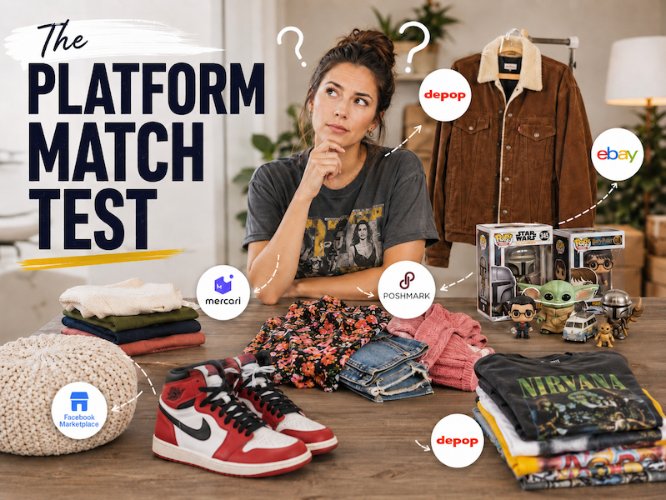
Every resale platform has a different kind of buyer. An item that gets ignored on one marketplace may get views, likes, offers, and sales on another. That does not always mean the item is bad. Sometimes it simply means the item is sitting in the wrong place.
The Platform Match Test: Where Should You List It?
One of the smartest ways to grow as a reseller is to stop asking, “Where can I list this?” and start asking, “Where is this item most likely to sell?”
Every resale platform has a different kind of buyer. An item that gets ignored on one marketplace may get views, likes, offers, and sales on another. That does not always mean the item is bad. Sometimes it simply means the item is sitting in the wrong place.
This is why platform matching matters.
If you understand which marketplaces fit which types of products, you can list smarter, crosslist with more purpose, and give each item a better chance to find the right buyer.
Why Platform Fit Matters
Crosslisting is powerful because it gives your inventory more reach. But the best resellers do not just post everything everywhere without thinking.
They learn how each platform behaves.
A vintage hoodie might get more attention from a younger, style-focused buyer on Depop. A collectible toy might perform better on eBay because buyers are searching for that exact item. A handbag or pair of jeans may get more social engagement on Poshmark. A household bundle may move quickly on Mercari. A bulky item may make more sense on Facebook Marketplace.
The item matters, but the audience matters too.
The better you match the item to the platform, the better your chances of getting activity.
The Platform Match Test
Before you list an item, run it through a simple test.
Ask yourself:
Who is most likely to buy this?
Would they search for it by brand, style, category, or trend?
Is this item better for shipping or local pickup?
Is it fashion-focused, collectible, practical, trendy, or bulky?
Would it perform better as a single item or a bundle?
These questions help you decide where the item belongs first.
The goal is not to overcomplicate listing. The goal is to stop treating every marketplace the same.
eBay: Best for Search-Driven Buyers
eBay is one of the strongest platforms for items buyers are actively searching for.
This can include shoes, collectibles, electronics, replacement parts, vintage items, trading cards, books, tools, toys, watches, hard goods, and brand-specific products.
eBay works well when your item has searchable details. Brand names, model numbers, sizes, part numbers, product names, styles, and unique keywords can all help buyers find exactly what they want.
If someone might type a very specific search into Google or eBay to find your item, eBay may be a strong first platform.
Good examples include vintage Nike shoes, discontinued replacement parts, collectible mugs, camera accessories, video games, sports cards, and unique vintage clothing.
Poshmark: Best for Fashion and Closet Shopping
Poshmark is strong for clothing, shoes, handbags, accessories, and closet-style shopping.
Buyers on Poshmark often browse by brand, size, style, color, occasion, and outfit potential. This makes it a good fit for women’s fashion, trendy pieces, workwear, activewear, handbags, denim, shoes, and bundles.
Poshmark can also work well for items that photograph nicely and fit into a fashion story.
If your item feels like something someone would add to a closet, style for an outfit, or bundle with other fashion pieces, Poshmark may be a good match.
Good examples include dresses, jeans, blouses, sandals, purses, athletic sets, sweaters, and branded accessories.
Depop: Best for Trendy and Style-Driven Items
Depop is a strong platform for trend-based fashion, vintage clothing, Y2K pieces, streetwear, unique accessories, and items with personality.
This is where presentation matters. Buyers often respond to style, vibe, era, and visual appeal.
A basic shirt may not stand out, but a Y2K baby tee, vintage windbreaker, oversized sweatshirt, baggy jeans, bold sunglasses, or unique handbag may get more attention.
Depop can be a good match when the item feels expressive, nostalgic, youthful, or fashion-forward.
Good examples include vintage activewear, graphic tees, 90s denim, mini bags, festival pieces, streetwear, retro sneakers, and aesthetic-driven accessories.
Mercari: Best for Simple Everyday Finds
Mercari can be a great place for straightforward, easy-to-ship items.
It often works well for toys, small electronics, bundles, beauty tools, home goods, accessories, casual fashion, shoes, collectibles, and everyday consumer items.
Mercari buyers often like simple listings and clear prices. It can be a good platform for items that do not need a long fashion story or highly specific buyer community.
Bundles can also perform well here because buyers may be looking for value.
Good examples include toy lots, small kitchen items, electronics accessories, handbags, shoes, craft supplies, books, plush, and household bundles.
Facebook Marketplace: Best for Local and Bulky Items
Facebook Marketplace is useful when shipping does not make sense.
Large, heavy, fragile, or awkward items may work better locally. This can include furniture, mirrors, lamps, outdoor gear, bicycles, storage bins, large toys, patio items, baby gear, and home decor.
It can also work well for quick local flips when the item has broad appeal.
The main benefit is avoiding shipping costs. The tradeoff is that you may deal with local messages, pickup coordination, and negotiation.
Good examples include dressers, chairs, shelves, strollers, bikes, coolers, large decor, outdoor games, and bulky home goods.
When to Crosslist Everywhere
Some items are strong enough to test across multiple platforms.
Shoes, handbags, jackets, jeans, accessories, small collectibles, and popular branded items can often work in several places. In those cases, crosslisting gives the item more chances to be seen.
For example, a pair of trendy sneakers might belong on eBay, Poshmark, Mercari, and Depop. A vintage jacket might get attention on eBay for search, Depop for style, and Poshmark for fashion browsing.
The key is staying organized.
If an item sells on one platform, remove it from the others quickly. Crosslisting increases reach, but inventory control protects your reputation.
How to Use the Test Before You List
Before creating your listing, choose your primary platform first.
That should be the platform where the item has the strongest buyer fit. Then decide whether it should be crosslisted to one or more additional marketplaces.
For example, if you find a vintage graphic tee, you might list it on Depop first, then crosslist to eBay and Poshmark. If you find a collectible replacement part, you might list it on eBay first and maybe Mercari second. If you find a bulky patio chair, you might start with Facebook Marketplace.
This helps you list with intention instead of guessing.
Reseller Challenge: Test 10 Items This Week
This week, choose 10 active listings and run each one through the Platform Match Test.
Ask yourself whether each item is currently listed on the marketplace where it has the best chance to sell. Then choose one action for each item.
You might crosslist it to a better platform, rewrite the title for a different buyer, adjust the photos, change the price, or remove it from a platform where it does not make sense.
Track what happens over the next seven days.
Watch for views, likes, offers, messages, and sales. The goal is to learn which platforms respond best to your inventory.
Final Thoughts
Selling smarter is not always about sourcing more inventory.
Sometimes it is about putting the inventory you already have in front of the right buyers.
The Platform Match Test helps you think like a business owner. It teaches you to look at each item and ask where it belongs, who wants it, and how it should be presented.
Crosslisting gives you reach.
Platform matching gives you strategy.
When you combine both, your listings have a much better chance to win.