The Recommerce Boom 2.0: Secondhand Is Officially First Choice
By David Torsak
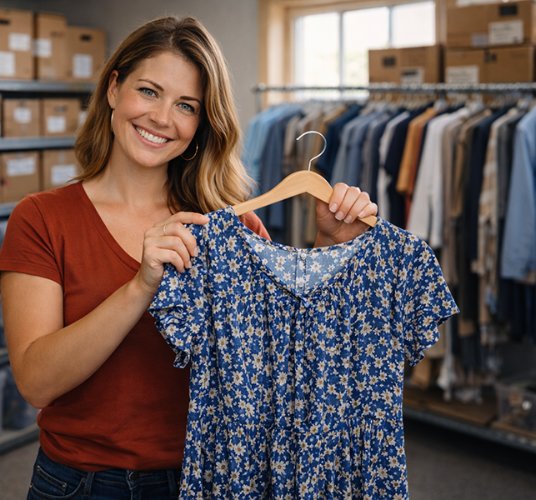
There was a time when buying secondhand felt like a backup plan. It was something shoppers turned to for bargains, not preference. That time is over.
The Recommerce Boom 2.0: Secondhand Is Officially First Choice
Secondhand Is No Longer the Alternative
There was a time when buying secondhand felt like a backup plan. It was something shoppers turned to for bargains, not preference.
That time is over.
In 2026, resale is no longer the “other option.” It is becoming the first choice for millions of consumers. Shoppers are actively seeking secondhand inventory before they even consider buying new. What used to be a budget decision has evolved into a lifestyle decision.
This is not a temporary spike. It is a structural shift in retail behavior.
The Numbers Behind the Shift
The global resale market has been growing significantly faster than traditional retail. According to ThredUp’s annual resale report, the secondhand market is projected to reach hundreds of billions of dollars in the coming years, outpacing overall apparel retail growth.
Consumers are not just testing resale. They are adopting it long term.
Younger generations in particular are leading the movement. Gen Z and Millennials consistently report that they shop resale first because it aligns with both their financial and environmental priorities. This behavioral change is creating sustained demand, not temporary hype.
Sustainability Is Driving First-Time Buyers
Environmental awareness is no longer niche. It is mainstream.
Consumers increasingly understand the environmental impact of fast fashion and overproduction. Choosing secondhand allows buyers to reduce waste, extend product life cycles, and feel more responsible in their purchasing decisions.
Retail reports from organizations such as the National Retail Federation and McKinsey have highlighted how sustainability now influences purchasing decisions at scale. Buyers want to participate in the circular economy, and resale is one of the easiest ways to do that.
For resellers, this means you are not just selling products. You are participating in a movement.
Inflation and Smart Spending Behavior
Economic pressure has also accelerated recommerce adoption. Rising retail prices have pushed consumers to look for alternatives that maintain quality without sacrificing value.
Secondhand products allow buyers to access premium brands, collectibles, and specialty goods at more accessible price points. Instead of downgrading quality, buyers are shifting channels.
This behavioral shift is powerful. Once buyers experience the value of resale, many do not return to full-price retail as frequently.
That creates repeat customers for resellers who build trust.
The Rise of Platform Infrastructure
Resale growth is not happening by accident. Major marketplaces have invested heavily in improving the resale experience. Search algorithms, seller protections, authentication services, and live auction formats have created smoother and more trustworthy environments for buyers.
Platforms like eBay, Poshmark, and Whatnot have expanded tools that make secondhand purchasing feel professional and secure. As infrastructure improves, buyer confidence rises.
Confidence drives conversion.
Community Is Replacing Commodity
Recommerce 2.0 is not just about transactions. It is about community.
Buyers increasingly follow specific sellers, attend live shows, and engage with niche-focused resellers. Instead of anonymous transactions, resale is becoming relational.
This community-driven commerce increases loyalty and repeat purchases. When buyers trust a reseller’s expertise, they return more frequently and are less price sensitive.
This is where branding becomes critical. Resellers who build recognizable identities benefit most from the boom.
Why This Is an Opportunity for Serious Resellers
When a retail shift of this size happens, there are two types of sellers. Some treat it casually and participate at surface level. Others recognize it as a structural transformation and build systems around it.
Recommerce 2.0 rewards sellers who focus on consistency, specialization, and operational efficiency. It rewards those who understand inventory cycles, pricing psychology, and audience targeting.
If resale is now first choice, the sellers who operate professionally will capture the largest share of that growth.
The Competitive Advantage Window
Every major retail shift has an early advantage period. Sellers who adapt early benefit from rising demand with less saturation.
As resale continues to normalize, competition will increase. The window to establish authority in a niche is open right now.
Building systems, refining sourcing standards, improving listing quality, and expanding cross-platform presence today positions you ahead of the curve tomorrow.
The Bottom Line: Secondhand Is the New Standard
Recommerce is no longer a side channel. It is not a fallback. It is not a trend.
It is a primary retail lane.
Consumers are choosing secondhand for sustainability, affordability, uniqueness, and identity. Platforms are investing in infrastructure. Communities are forming around niches.
The shift is real.
For resellers, this is not just encouraging news. It is strategic opportunity.
The question is no longer whether resale will grow.
The question is whether you are building your business to grow with it.
If secondhand is officially first choice, then professional resellers are positioned at the center of the next retail era.
And that is a powerful place to be.